

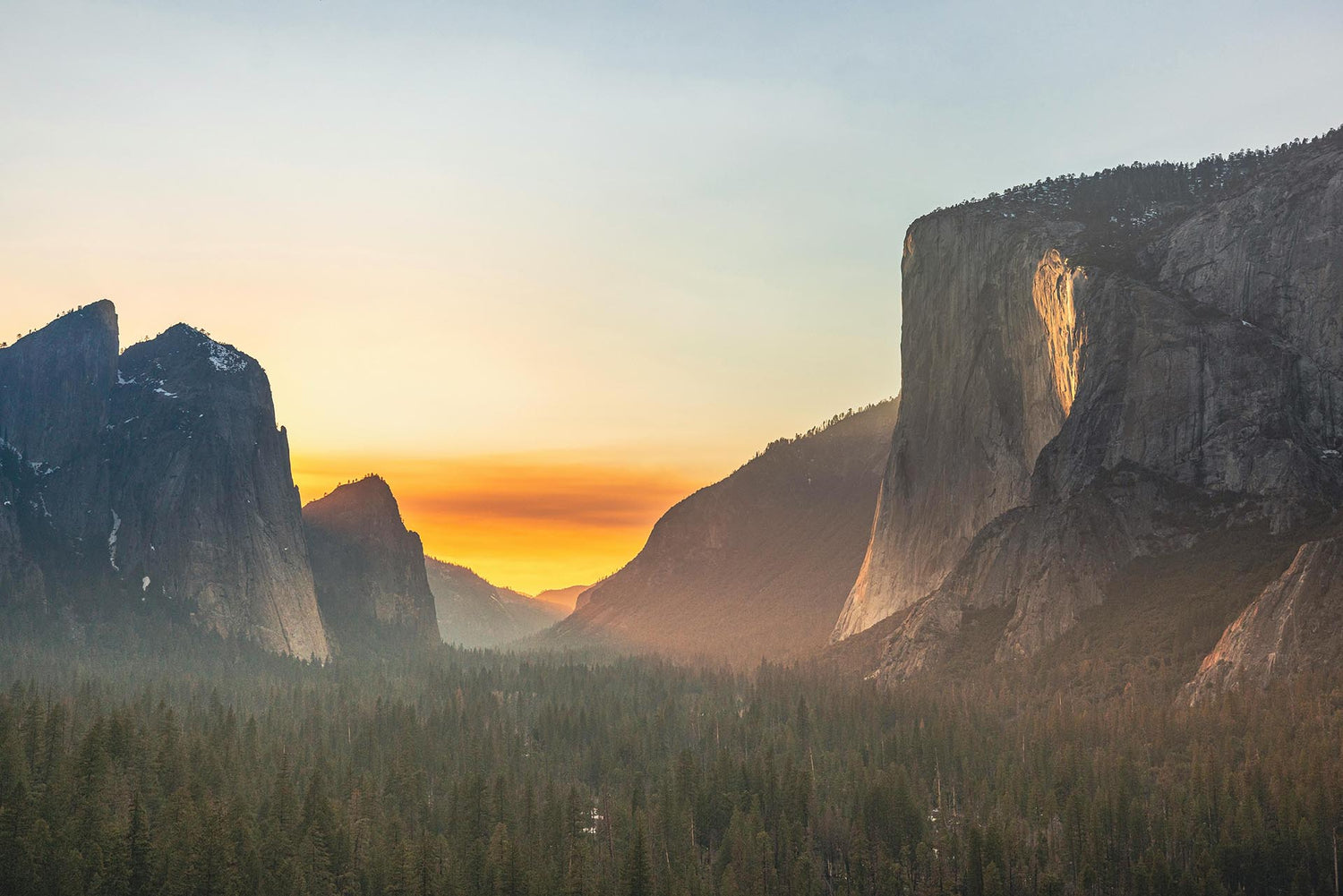
Yosemite National Park is one of those places that feels familiar before you ever set foot in it. The sheer granite face of El Capitan, the rounded shoulder of Half Dome, the giant sequoias of the Mariposa Grove, and that first jaw-dropping look at the valley from Tunnel View have all been photographed millions of times over. Carved by ancient glaciers and draped in some of the tallest waterfalls on the continent, it draws roughly four million visitors a year to a corner of California's Sierra Nevada. But the famous postcard views are only the surface. Dig a little deeper and Yosemite turns out to be full of strange history, mistaken names, drowned valleys, and natural tricks of light that most visitors never hear about. So here are 8 things most people don't know about Yosemite National Park.
1. The Name Does Not Mean What Most People Think

Most people assume "Yosemite" means "grizzly bear." That common story appears to come from a mistranslation, or confusion with a similar-sounding word. The more widely accepted explanation is that Yosemite comes from a Miwok term meaning roughly "those who kill," a name used by neighboring groups for the people who lived in the valley. Those residents, the Ahwahneechee, knew their home as Ahwahnee, meaning "gaping mouth-like place," for the way the valley walls open wide around you.
2. It Was Protected Before National Parks Existed

In 1864, in the middle of the Civil War, Abraham Lincoln signed the Yosemite Grant, setting aside Yosemite Valley and the Mariposa Grove of giant sequoias under California's care for public use and preservation. That was eight years before Yellowstone became the world's first national park in 1872. Here is the odd part: Yosemite itself did not become a national park until 1890, and the valley at its heart stayed under California's control all the way until 1906.
3. There Is a Drowned Twin of Yosemite Valley

In the park's quiet northwest corner sits Hetch Hetchy, a glacier-carved valley that John Muir considered nearly the equal of Yosemite Valley itself. In 1913 Congress approved damming it to supply water to San Francisco, and the Hetch Hetchy Regional Water System still serves the city and other Bay Area communities today. Muir fought the project to the end of his life and lost, and the defeat became one of the defining moments in American conservation, adding momentum to calls for a stronger national park system before the National Park Service was created in 1916.
4. The Tallest Single-Drop Waterfall in North America Hides in Plain Sight

Everyone knows Yosemite Falls, which at about 2,425 feet is one of North America's tallest waterfalls, but it gets there in three separate tiers. The record for the longest single, uninterrupted drop on the continent is often credited to a thin ribbon of water just west of El Capitan: Ribbon Fall, which plunges 1,612 feet in one clean line. It usually flows during the spring snowmelt season, roughly March through June, and is so narrow that most visitors look right past it on their way to the more famous falls across the valley.
5. The Original Firefall Was Literally on Fire

You have probably seen photos of the modern "firefall," when late-February sunsets backlight Horsetail Fall until the water glows like molten lava. But Yosemite had a very different firefall first, and it was real fire. For decades, the operators at Glacier Point would build a large bonfire at the top of the cliff and push the glowing embers over the edge, sending a cascade of fire down toward the crowds gathered in the valley below. This Glacier Point tradition began around 1872, stopped and started over the years, and was finally ended by the Park Service in 1968.
6. Rainbows Made of Moonlight, and Rivers of Slush

On spring nights when the moon is nearly full and the sky is dark, the mist at the base of Yosemite Falls can refract moonlight into a "moonbow," a faint rainbow glowing in the dark. The naturalist John Muir wrote about them more than a century ago, describing the lunar rainbows that glow at the foot of Yosemite Falls whenever there is enough moonlight and spray. There is a second strange water trick too: on cold spring mornings, supercooled frazil ice flows down the creeks below the falls like a slow-moving river of slush, sometimes filling the channels from bank to bank.
7. A Yosemite Hotel Helped Inspire The Shining

The grand Ahwahnee Hotel, opened in 1927 beneath the granite walls of the valley, is a National Historic Landmark, and its soaring timber-and-stone interior is widely credited as an inspiration for the interior sets of the Overlook Hotel in Stanley Kubrick's The Shining. The same lodge also influenced the design language of Disney's Grand Californian Hotel. In other words, its look has quietly shaped how a lot of people picture a classic mountain lodge, whether they realize it or not.
8. A Plain Campground Changed Climbing Forever

Tucked behind the valley's famous walls is Camp 4, a simple walk-in campground with picnic tables, shared sites, and not much in the way of frills. It is also a National Historic Landmark, recognized for its role in the golden age of rock climbing from the late 1940s into the 1970s. The climbers who slept there pioneered the gear, techniques, and big-wall routes that turned Yosemite into the center of the climbing world, and made names like El Capitan legendary among climbers everywhere.
Yosemite keeps rewarding the curious. The granite domes, the giant trees, and the thundering waterfalls are reason enough to make the trip, but the deeper you look, the stranger and richer the story gets. Whether you are mapping out a visit or just daydreaming about it from the road, these are the kinds of details that make Yosemite worth a much closer look.
Cut From the Real Thing
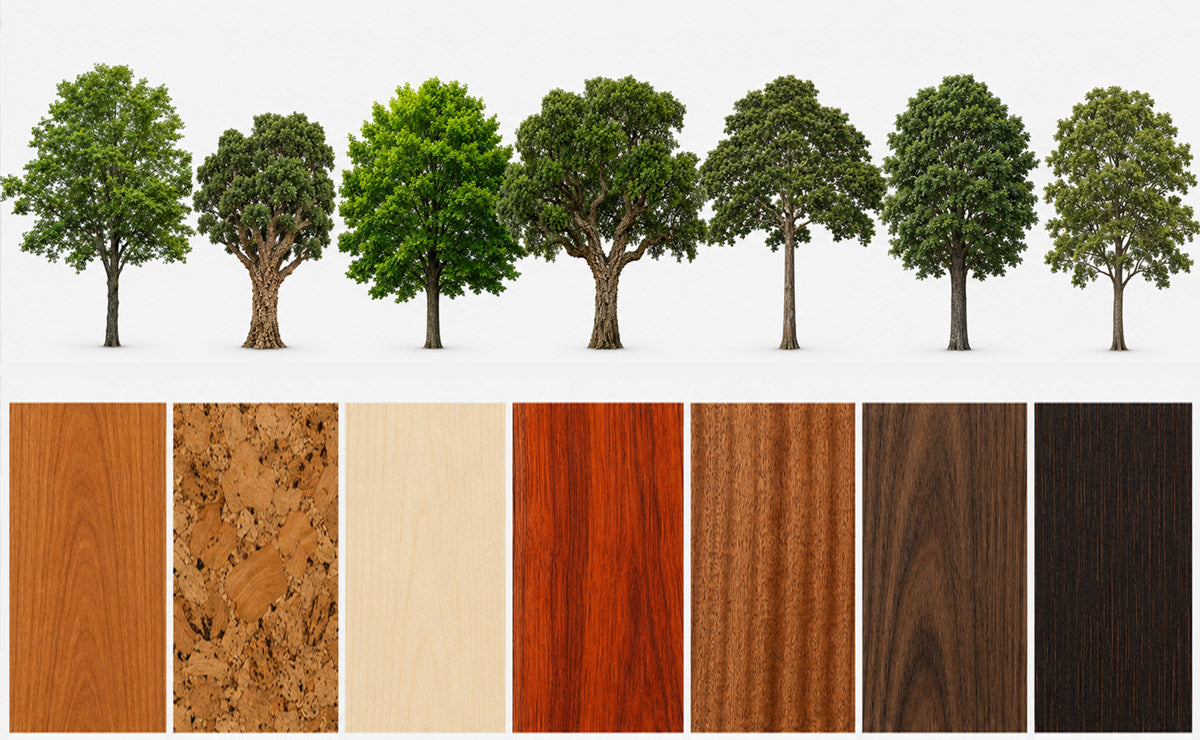
Part of what makes Yosemite unforgettable is that it is all the real thing: glacier-cut granite, thousand-year-old trees, nothing about it manufactured. We feel the same way about what ends up in your pocket. Everything we build in our Mississauga shop starts with the actual material, wood, leather, or resin, and has since 2012. The Strata even borrows the park's own playbook, its back layered in narrow bands of wood the way rock gets laid down over time. It is one of dozens in the wooden phone cases collection.
For the part of you that would rather be on the trail than reading about one, the Hiker sends a lone figure up into the mountains, and the Nomad sets a quiet campsite under the pines. And since Yosemite is a hard place to find a copy of, the One & Only line feels right to mention: wood and resin cast one block at a time, then sliced and numbered, so the case you end up with has never existed before and will not again. Pick whichever one feels like your kind of place.

Leave a comment
All comments are moderated before being published.
This site is protected by hCaptcha and the hCaptcha Privacy Policy and Terms of Service apply.